Who they are
Smart home security device owners in Malaysia are defined by their adoption of connected security technology for their homes — CCTV, smart locks, alarm systems, video doorbells, and other IoT security devices they can monitor via smartphone. They are not early adopters of all technology — they have specifically invested in home security, which reflects both their concern for safety and their tech-forward orientation.
45% are Millennials — the dominant generational cohort. Another 31% are Gen X. They are in their prime years for home purchasing and investment.
58% are male, 42% female. This is a male-skewing segment, consistent with technology adoption patterns in Malaysia.
45% have high household income — well above average. Smart home security systems represent meaningful investment, and this segment has the financial capacity to deploy them.
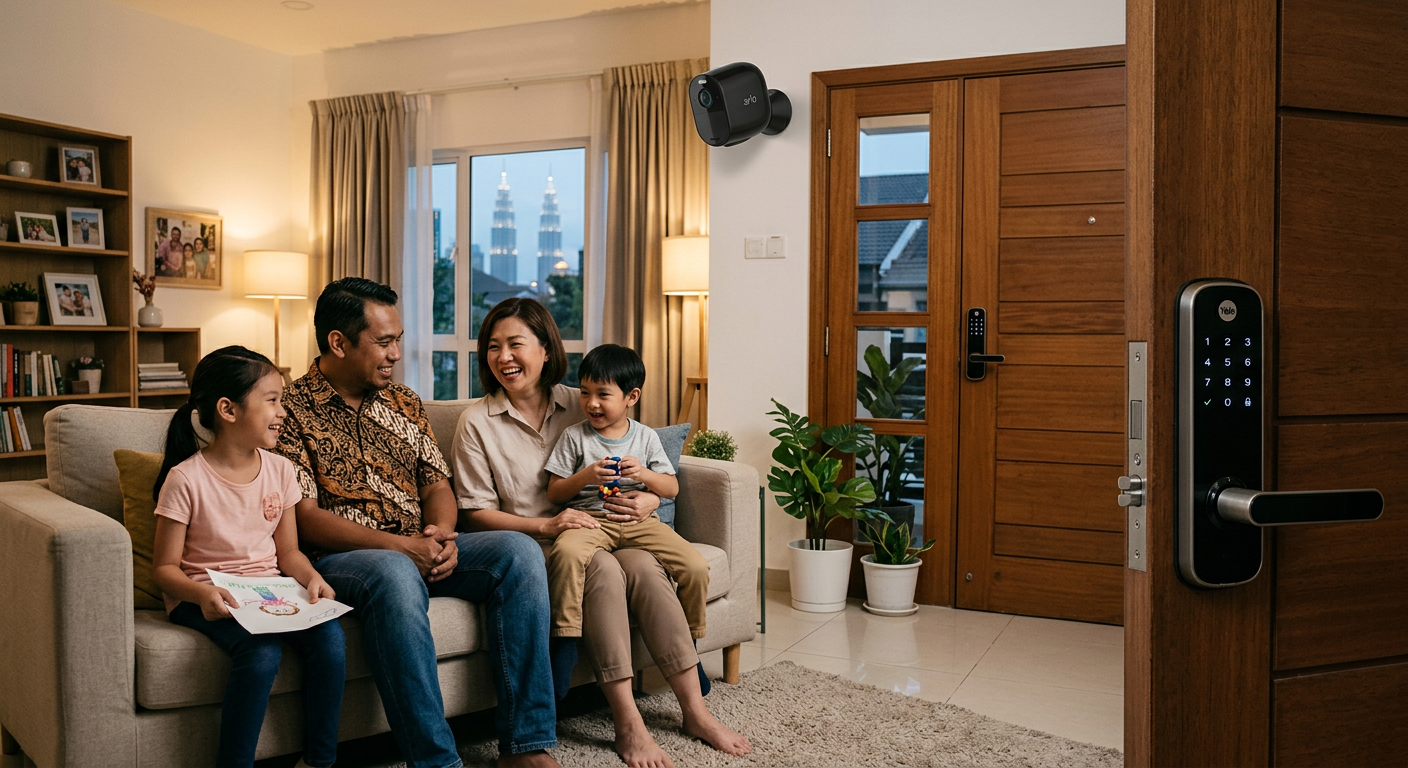
36% live in nuclear family households. They are primarily families with children who have invested in security technology for their homes.
41% live in cities with over 1 million inhabitants. They are concentrated in major urban centres where smart home installation, connectivity, and security monitoring services are most accessible.
What they care about
Success leads at 55% and career advancement at 49%. They are achievement-oriented consumers who are building careers, incomes, and homes simultaneously. Making my own decisions at 47% and safety and security at 44% show they are both ambitious and protective of what they have built.
Their interests are tech-forward and mobility-oriented. Science and technology leads at 71%, vehicles and mobility at 64%, and finance and economy at 59%. They are a technically engaged, commercially aware cohort.
Tech and computers as a hobby scores 51% and outdoor activities score 44%. They are active, tech-interested consumers who spend time on both digital and physical hobbies.
65% state they like being able to monitor and control their home while they are away. This is the defining product benefit for this segment — remote visibility and control is why they invested in smart home security.
39% have right-leaning political views — consistent with their achievement orientation and property-owning mindset.
Where to reach them
The channels that work
Video portals are the standout channel: 70% video portal ad recall is the highest of any segment in the study. YouTube, streaming platforms, and video content is where this segment is most advertising-receptive.
Out-of-home advertising is the second-strongest channel: 55% out-of-home ad recall is well above average. Billboards, transit advertising, and outdoor media reach this urban, mobile segment.
Social media is the third-strongest channel: they interact with companies on social media more than average. Social advertising and brand presence on social platforms are effective.
They consume all types of media frequently — one of the most media-engaged segments. TV, radio, digital music, and video streaming all perform above average.
The channels that underperform
Daily newspapers at 17% are below average. Print newspapers are not an effective channel.
Device reality
Smartphone at 98% is universal. Desktop PC at 69% and laptop at 69% are both well above average. This is a multi-device tech user.
Smart TV at 71% is well above average — consistent with their high video portal ad recall.
What to do
Video advertising is your most powerful channel. 70% video portal ad recall is the highest of any segment. YouTube pre-roll, in-stream video, and video content partnerships are the most effective ways to reach this segment.
Out-of-home advertising works well for this urban segment. 55% out-of-home ad recall means billboards, transit, and outdoor media reach this urban, mobile audience effectively.
Remote monitoring and control messaging is your core product benefit. 65% prioritise the ability to monitor and control their home remotely. Smart home security marketing should lead with remote access, real-time alerts, and smartphone control benefits.
Tech-forward, premium positioning is appropriate. High income and high tech interest means premium smart home products, professional installation services, and advanced security features are viable positioning.
What not to do
Do not lead with basic security features. This is a tech-forward segment that has invested in smart security specifically. Marketing that only talks about security and not about smart, connected features will not resonate.
Do not invest in printed newspapers. 17% daily newspaper readership is below average and not effective.
Do not ignore the female segment. 42% female smart home security decision-makers represent a significant audience for household safety messaging, family security features, and ease-of-use positioning.